Rooted in Relationship: Growing and Sustaining Ethical Partnerships

July 25-27, 2026

“An aspen grove, though it appears as a series of distinct trees, is united by a rhizomatic root system. The trees appear to be separate but are integrally linked in a tight relation with each other. In the same way, we aspire toward a vision of engaged scholarship rooted in profound relationality with each other in this scholarly community and with our partners on and beyond our campuses.”

(Aspen Collective Statement, 2025, p. 587)

Please save the date for the 2026 Engaged Communication Scholarship Conference, scheduled for July 25-27 in Fort Collins, Colorado. As noted in the Aspen Collective Statement (2025), what unites the practitioners and scholars who gather at this conference is a shared commitment to “doing collaborative work with (not on or about) communities and organizations to build trust across lines of difference, bridge theory and practice, and address situated problems to co-create better social worlds” (pp. 581-582). Join us this summer to contribute to these conversations. 

As institutions of higher education face heightened scrutiny and intensified public skepticism about the value of academic work, and as political polarization reshapes the conditions of civic life, engaged communication scholarship confronts both profound challenges and urgent possibilities. This year’s theme, Rooted in relationship: Growing and sustaining ethical partnerships, centers the tensions of doing publicly accountable, community-grounded, and collaborative scholarship in a climate increasingly marked by distrust, constraint, and ideological division. Together, we will examine how engaged scholars can grow and sustain ethical partnerships and do meaningful work under these conditions. The conference provides a space not only to analyze current pressures, but to imagine strategies of resilience, reciprocity, solidarity, and trust.    

We welcome the submission of projects-in-progress at http://www.aspenengaged.org/submit by April 15, 2026. At the Conference, selected projects will be presented in a highly interactive discussion format in small table settings. These proposals should raise problems, questions, dilemmas, and tensions that we can wrestle with together. We welcome projects at all stages of development, as we hope to center ongoing challenges related to engaged work, including but not limited to: entering the field, relationship building, creating participative spaces, disseminating engaged products, and measuring impacts. In previous conferences, the most interesting conversations have seemed to center on problems that people have encountered or are encountering in their work. 

We also welcome participation without a formal submission. Check the conference website for registration details in the coming months.

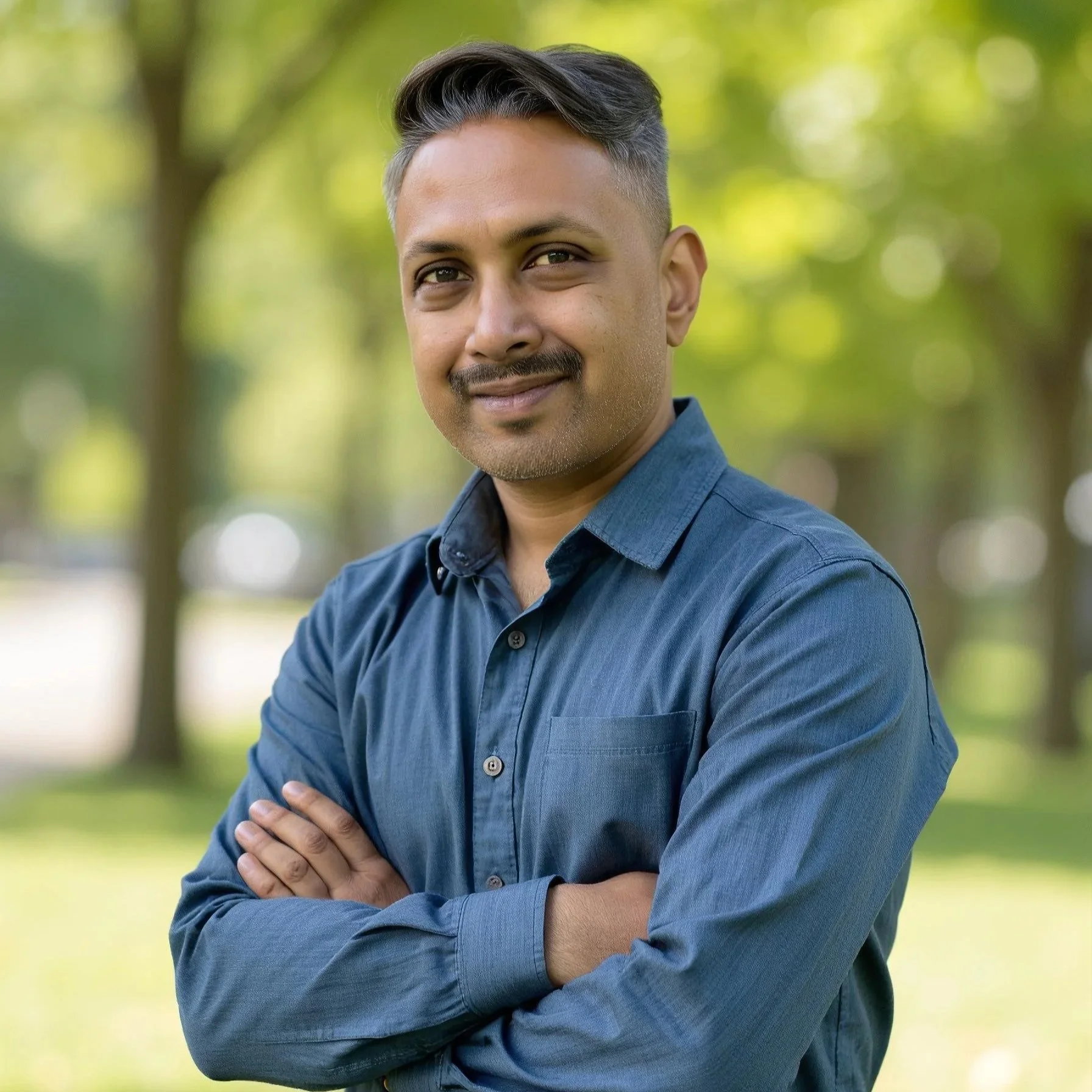
Keynote Speaker

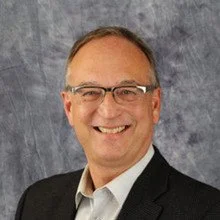
Shiv Ganesh, PhD is a Professor in the Department of Communication at the University of Colorado Boulder, USA. His work lies at the intersection of organizational, global and environmental communication issues, and he conducts research under this rubric on collective action and social movements, sustainability and supply chains, digitization and surveillance, and indigeneity and displacement. His fieldwork is largely ethnographic, and often based in India, Aotearoa New Zealand, Sweden, and the United States. He is a Fellow of the International Communication Association and a Distinguished Scholar of the National Communication Association.

 Keynote Panelists

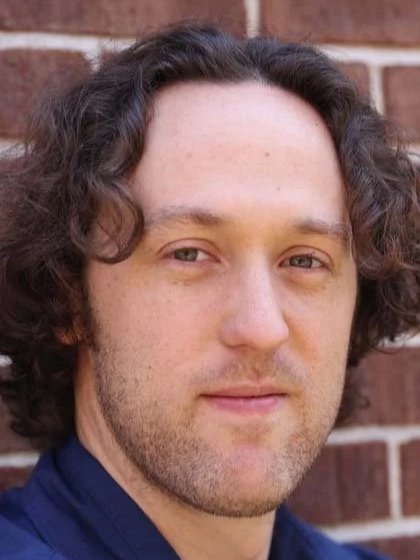
Timothy Huffman, PhD is Chair and Associate Professor of Communication at Saint Louis University. His research and teaching focus on community-based qualitative inquiry. He has led extensive projects with homeless service organizations and community partners using participatory inquiry as a mode of social change. Author of Qualitative Inquiry for Social Justice (Routledge, 2022), Dr. Huffman’s work bridges scholarship and practice and advances research that is collaborative, justice-oriented, and grounded in community life.
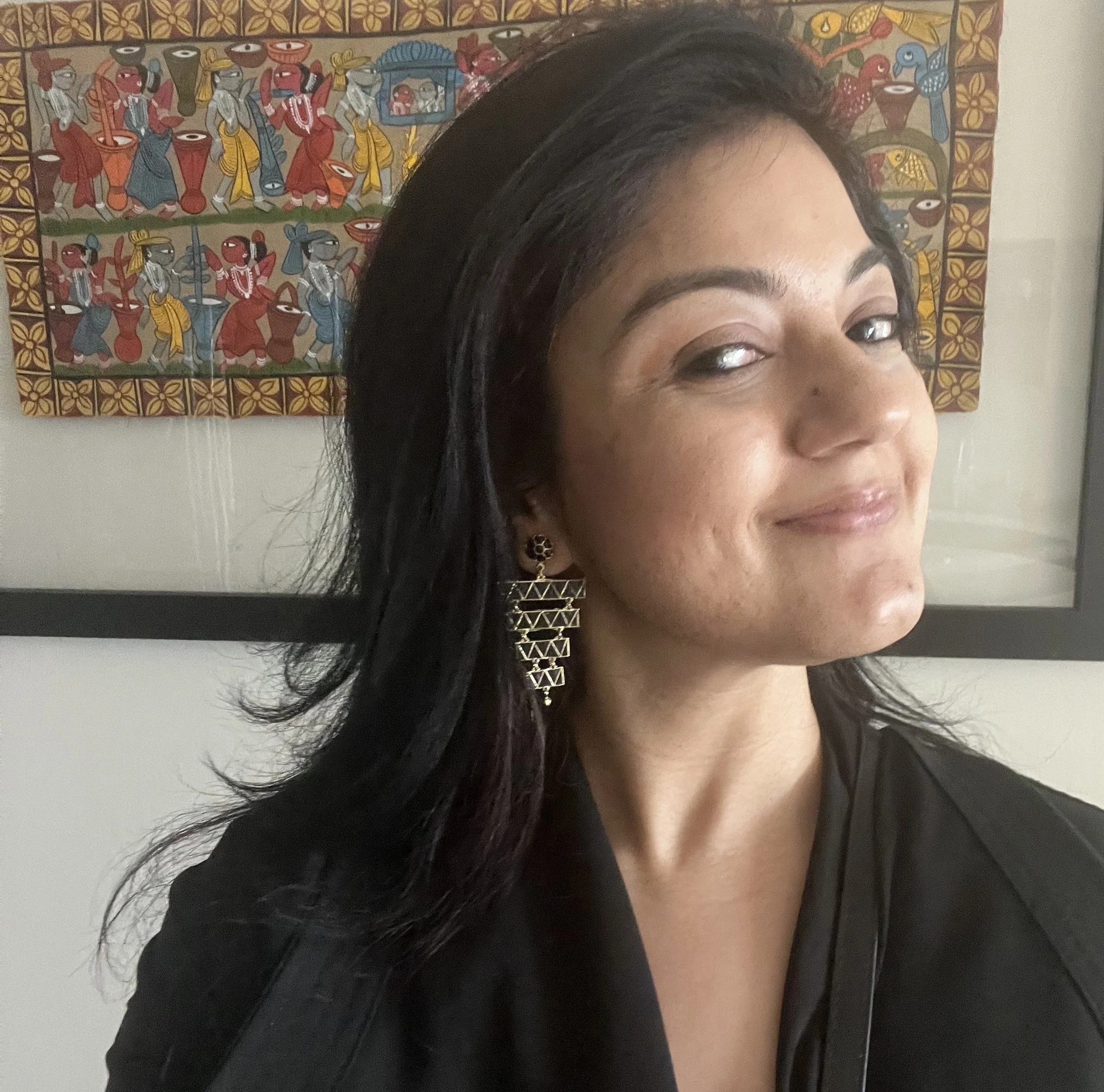
Parameswari Mukherjee, PhD is an assistant professor of Health Communication in the Department of Communication Studies at the Metropolitan State University of Denver. Her program of research borrows from health and organizational communication scholarship to investigate the intersections of health, culture, and globalization in marginalized communities. Specifically, two of her research projects examine local-global health interventions in water insecure communities and the cultural labor around health organizing within the Chitrakar/folk artist/painter community in rural West Bengal.

Dr. Mukherjee employs several research methods (such as interviews, focus groups, and participant observation) and methodological approaches (e.g., qualitative and ethnography). The methodological tools of self-reflexivity, dialogue, and solidarity are central to my research commitment. Her scholarship is published in leading peer-reviewed journals, including Communication Monographs, Health Communication, Human Communication Research, Journal of Applied Communication and Communication and Critical/Cultural Studies Journal. She has delivered approximately 25 research presentations and invited lectures at national and international conferences and institutions.

Dr. Mukherjee serves as the DE&I Vice Chair of the Health Communication Division of the National Communication Association and an ad hoc reviewer for the journal Health Communication and the Health Communication Division of the National Communication Association, among others.
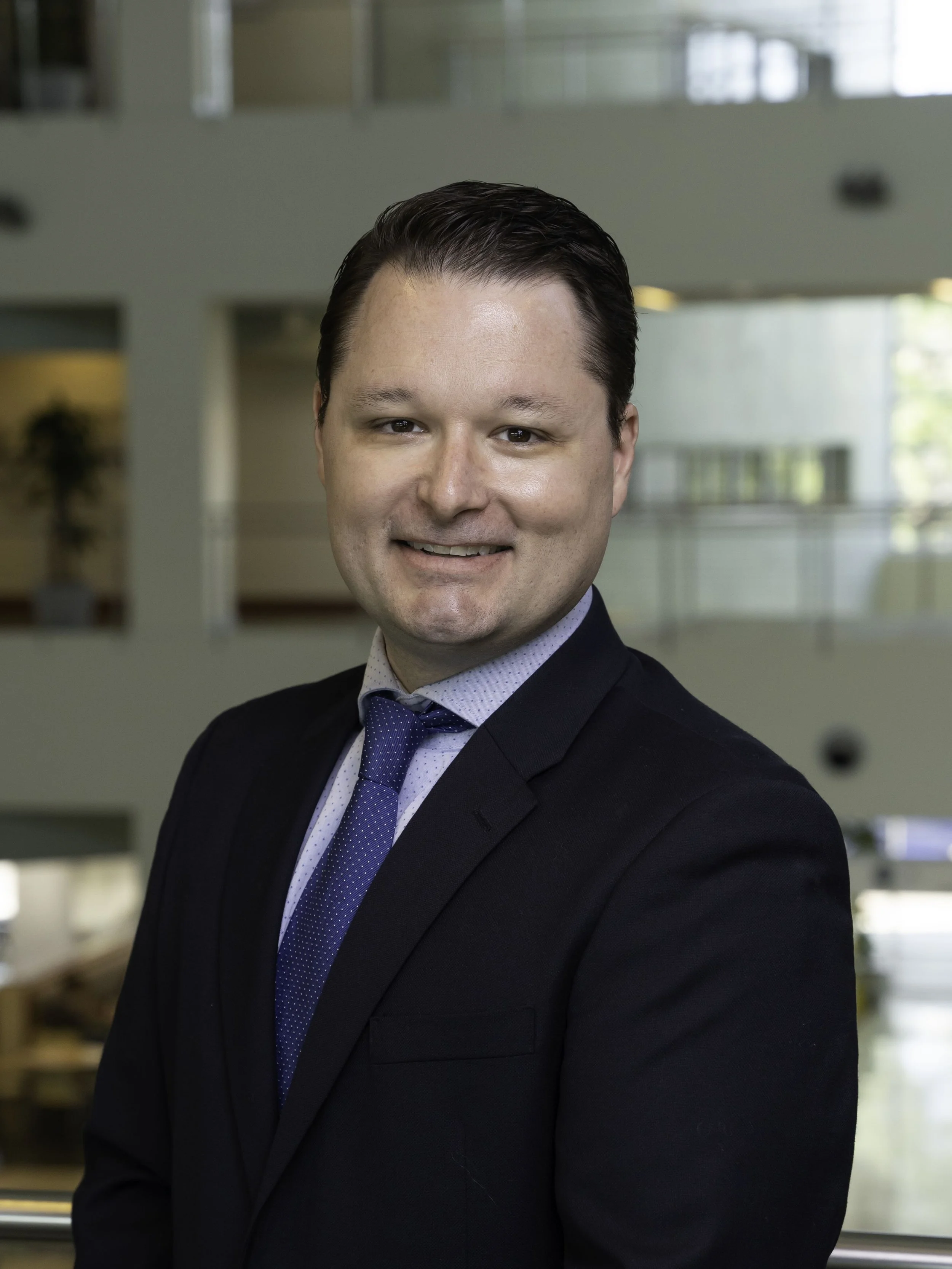
Joshua M. Scacco, PhD is an Associate Professor in the Department of Communication at the University of South Florida. Dr. Scacco also is the founding and current Director of the Center for Sustainable Democracy in the College of Arts & Sciences at USF. He is 2025-2026 Carnegie Fellow with the Carnegie Corporation of New York. His research interests broadly focus on political communication, media content and effects, the political dimensions of public health, as well as communication and democracy. Dr. Scacco’s research is focused on how agents and leaders in a democracy can effectively and ethically harness communication technologies to strengthen democratic governance.

 The Aspen Engaged Communication Scholarship Conference is made possible in part thanks to the generous support of the following organizations.